
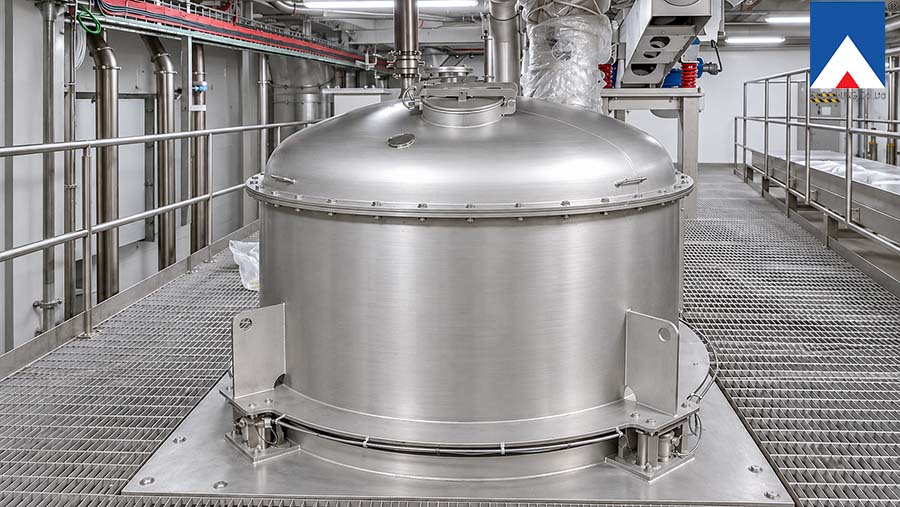
Industrial tank and silo weighing systems provide reliable weight measurement for tanks, hoppers, vessels, and storage silos. As a result, these solutions help manufacturers monitor inventory, control production processes, and improve material management.
Moreover, Minebea Intec offers industrial weighing technologies, including load cells, weighing modules, mounting kits, and weighing electronics. In particular, its solutions support food processing, chemical manufacturing, pharmaceuticals, seafood processing, and animal feed production.
1. Industrial Tank and Silo Weighing Systems and Their Main Components
Tank and silo weighing systems measure the total weight of a vessel and its contents. Subsequently, operators determine the material weight by subtracting the empty vessel weight.
Typically, an installation includes several essential components.
1.1. Load Cells of Tank and Silo Weighing Systems
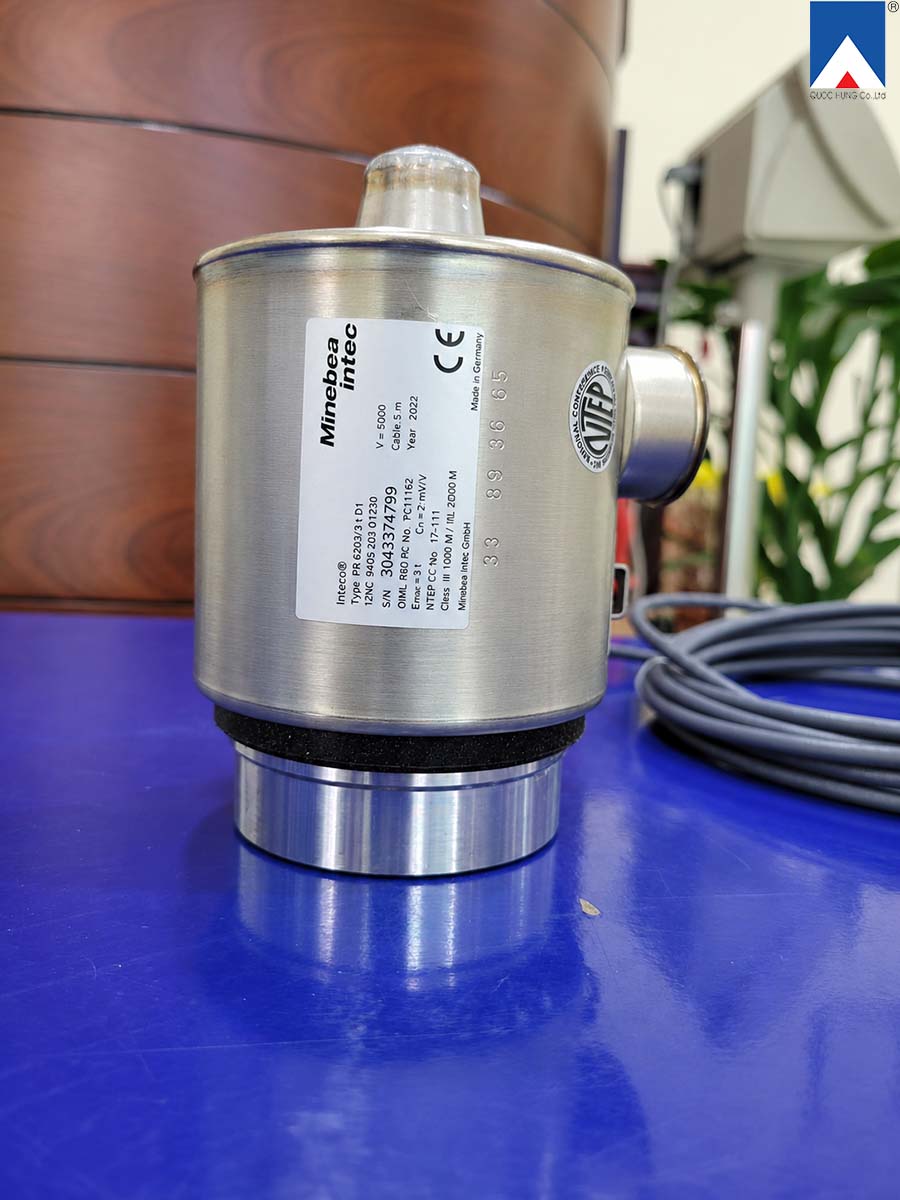
Load cells convert mechanical forces into electrical signals for weight measurement. In particular, compression load cells commonly support heavy tanks, hoppers, and industrial silos.
For example, Minebea Intec offers the Inteco® PR 6203 compression load cell for demanding industrial applications. Its pendulum support principle helps maintain accurate force transmission and measurement repeatability.
The Inteco® series offers capacities up to 75 t per load cell. Moreover, selected versions provide high accuracy, stainless steel construction, and protection against harsh environments.
1.2. Weighing Modules and Mounting Kits of Tank and Silo Weighing Systems
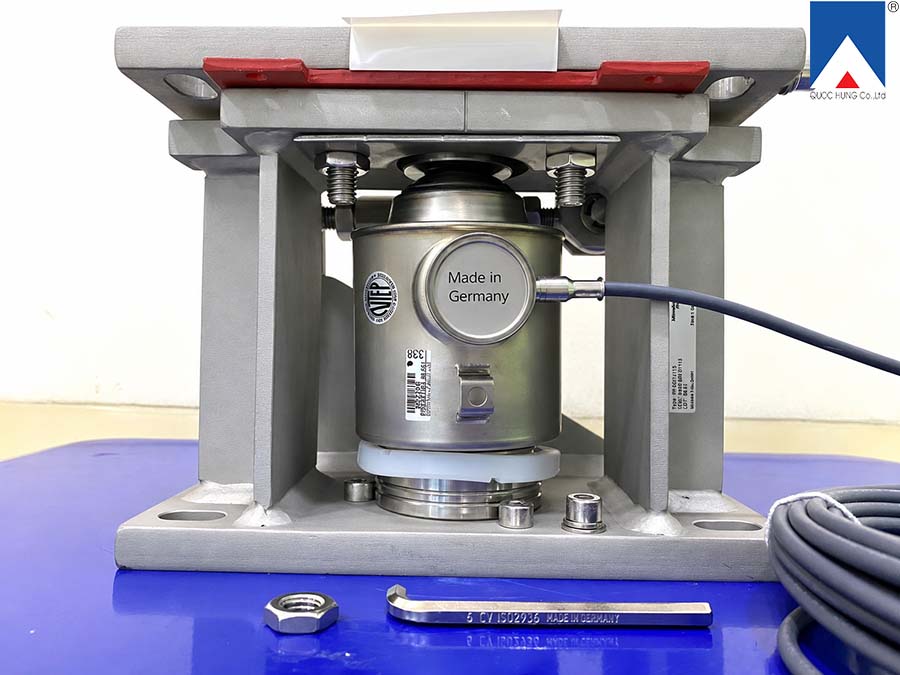
Weighing modules connect load cells to supporting structures and help maintain proper load transmission.
Industrial vessels experience vibration, thermal expansion, horizontal forces, and mechanical movement. Therefore, suitable mounting kits help manage these influences and protect weighing performance.
Minebea Intec offers PR 6001 mounting kits for compatible load cell configurations. Additionally, certain versions incorporate lift-off protection, horizontal restraints, and maintenance features.
1.3. Junction Boxes and Connection Accessories of Tank and Silo Weighing Systems
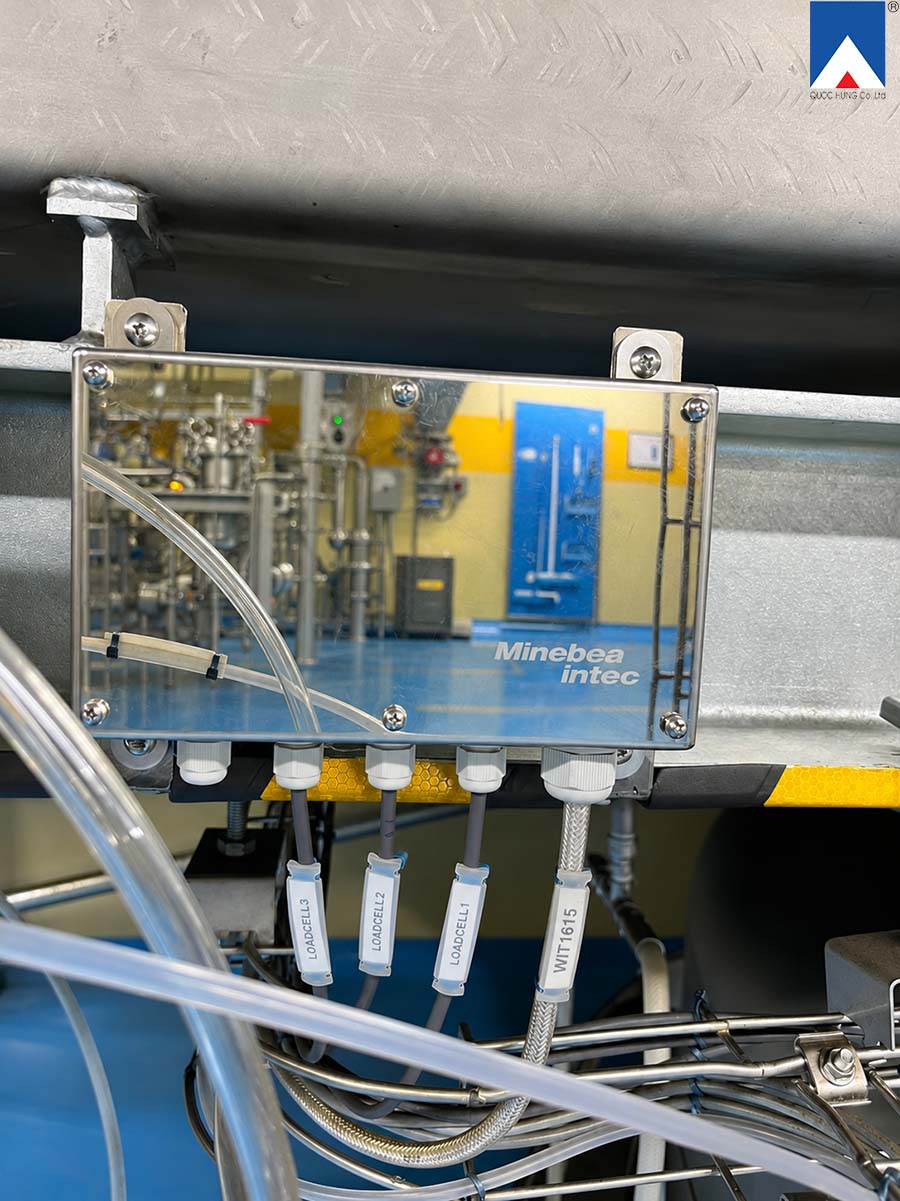
Junction boxes combine signals from multiple analog load cells before transmission to weighing electronics.
Additionally, suitable cables and electrical connections help maintain stable signal transmission. Furthermore, proper installation reduces potential interference and maintenance problems.
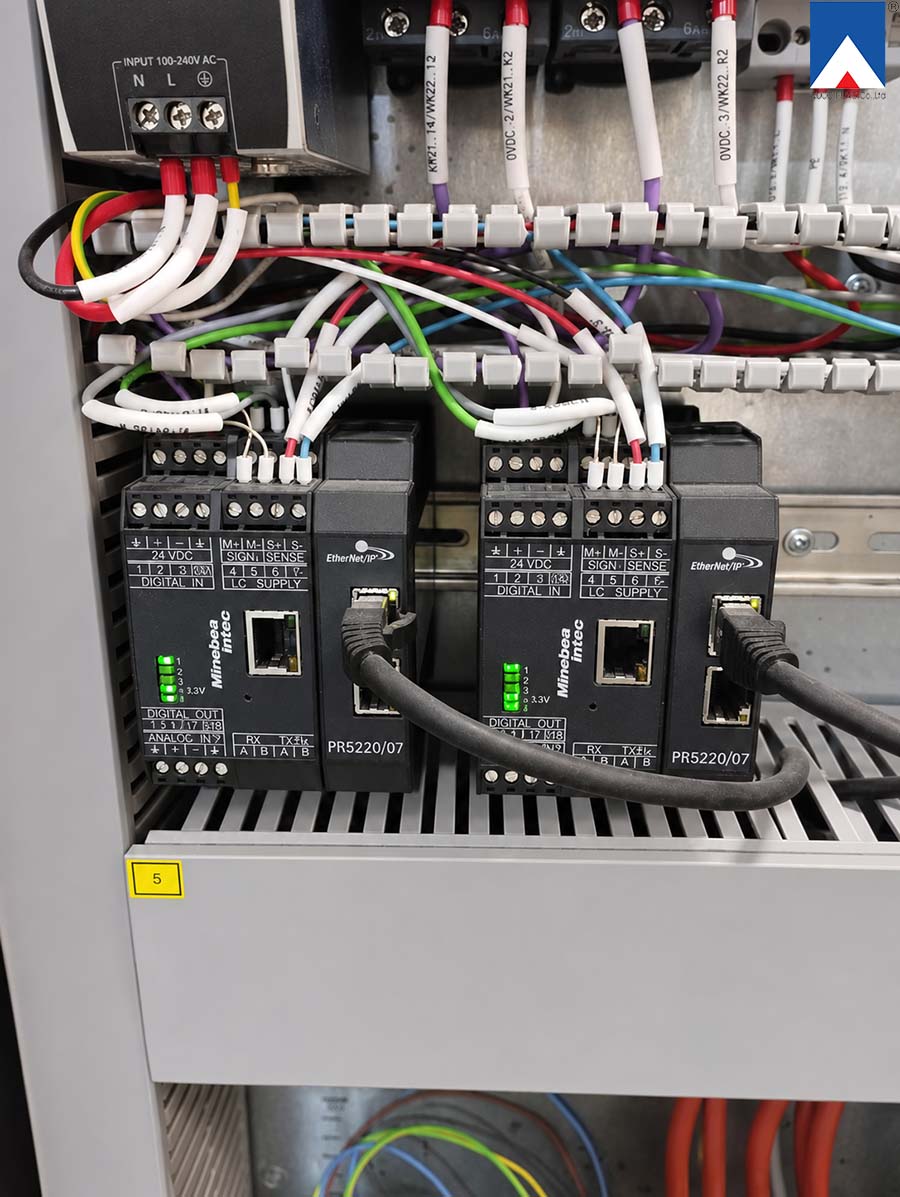
1.4. Weighing Indicators and Transmitters of Tank and Silo Weighing Systems
Weighing indicators and transmitters process load cell signals and provide weight information.
Depending on their configuration, these devices support monitoring, dosing, filling, and communication with automation systems. Consequently, operators can integrate weighing data into production management processes.
2. Key Benefits of Industrial Tank and Silo Weighing Systems
Industrial weighing solutions provide several advantages for material handling and manufacturing operations.
2.1. Accurate Material Measurement
Weighing systems measure material mass directly through the vessel’s supporting points. As a result, manufacturers can monitor quantities without relying entirely on manual estimates.
2.2. Improved Production Control
Accurate weight information supports batching, dosing, filling, and discharge operations.
Furthermore, automated control systems can use weight signals to manage material quantities. Consequently, this helps manufacturers improve process consistency and reduce unnecessary material waste.
2.3. Better Inventory Management
Continuous weight monitoring provides useful information about remaining raw materials.
For example, operators can track grain, powder, liquids, and other materials inside storage vessels. Therefore, businesses can improve purchasing decisions and production planning.
2.4. Reduced Manual Inspection
Connected weighing electronics allow operators to monitor material quantities through suitable control systems.
Consequently, employees can reduce manual checks and access weighing information more conveniently.
2.5. Reliable Industrial Operation
Properly selected load cells and mounting kits support stable operation under demanding industrial conditions.
However, reliable performance also requires suitable installation, calibration, and periodic inspection.
3. Industrial Applications of Tank and Silo Weighing Systems
Tank and silo weighing technologies support numerous manufacturing industries.
3.1. Food and Beverage Industry
Food manufacturers use tank weighing systems to monitor ingredients, liquids, and intermediate products.
Additionally, these solutions support batching, mixing, recipe control, and filling processes.
3.2. Chemical Industry
Chemical plants use weighing systems to monitor raw materials and control dosing operations.
However, hazardous areas require equipment with suitable approvals and installation requirements.
3.3. Seafood Processing Industry
Seafood processing facilities can integrate weighing systems into storage tanks and processing vessels.
Furthermore, these installations help monitor liquids, ingredients, and raw material quantities throughout production.
3.4. Animal Feed Industry
Feed manufacturers commonly store grain, powder, and bulk materials in silos and hoppers.
Therefore, weighing systems support inventory monitoring and ingredient batching according to production recipes.
3.5. Pharmaceutical Industry
Pharmaceutical manufacturers require reliable weighing solutions for ingredient handling and production control.
Where necessary, suitable hygienic designs support cleaning procedures and specific manufacturing requirements.
4. Selecting Suitable Minebea Intec Weighing Solutions
Choosing an appropriate weighing system requires careful evaluation of mechanical design, operating conditions, and process requirements.
Therefore, important selection factors include:
- Total capacity: Calculate vessel weight, maximum material load, and additional operational forces.
- Support points: Determine the load cell quantity according to the vessel structure.
- Load cell selection: Consider capacity, accuracy, uneven loading, and environmental conditions.
- Mounting compatibility: Match mounting kits with load cells and supporting structures.
- Environmental protection: Evaluate moisture, corrosion, vibration, temperature, and hazardous-area requirements.
- Weighing electronics: Select suitable indicators, transmitters, and communication interfaces.
- Installation and calibration: Ensure correct alignment, electrical connections, and measurement verification.
Furthermore, Minebea Intec provides comprehensive solutions for industrial vessel and silo weighing applications.
Its portfolio includes Inteco® compression load cells, compatible PR 6001 mounting kits, and industrial weighing electronics. Additionally, digital technologies such as Pendeo® Process support advanced weighing applications.
Ultimately, the appropriate combination depends on vessel design, process conditions, and measurement requirements.
Industrial tank and silo weighing systems combine reliable load measurement with flexible process control and inventory monitoring.

